Stop Guessing. Start Mixing With Intention.
Stop Guessing. Start Mixing With Intention.
FOR HOME STUDIO MIXERS | 6 WEEKS | LIFETIME TOOLKIT ACCESS
The 6-Week Mixing System: Make Your Music Sound Like You Paid A Pro.
Stop guessing. Start turning your recordings into release-ready music you’re proud to show others – without needing an expensive audio college degree or a million-dollar control room.
$2,997 AUD - Split payments available through Klarna/Stripe
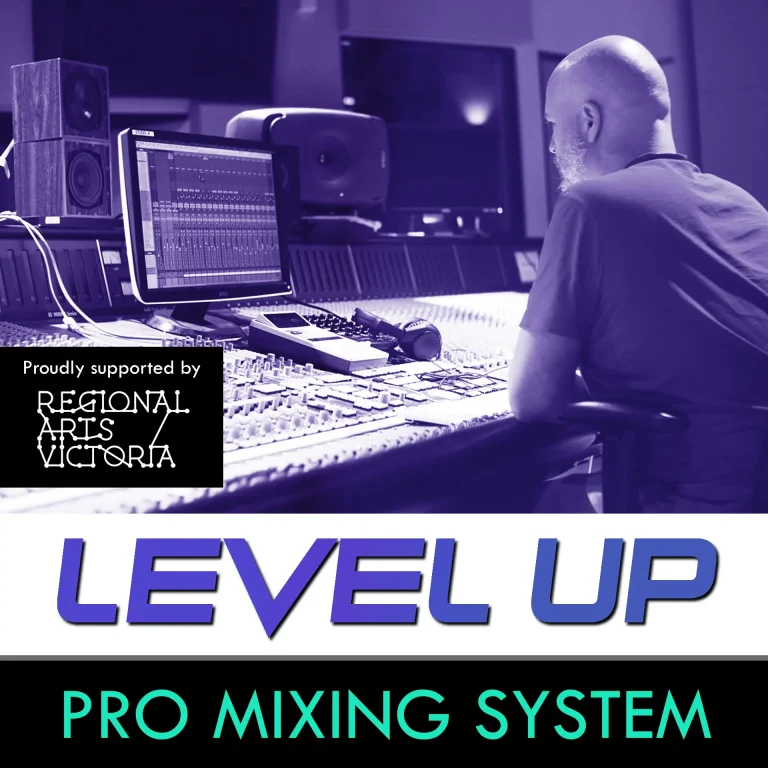
“It was super easy to understand! I would recommend it 10,000%!”
– Erika Inserra, Independent Singer/Songwriter
Don’t pay $72,000 to learn how to mix.
That’s what a bachelor of audio actually costs in Australia right now – SAE, JMC, Collarts, take your pick. Even a diploma runs $24,000.
Learn mixing without the crippling student debt.
BEGINNER TO ADVANCED
ALL GENRES
ANY DAW
Hear how a system ties everything together.
A = Raw (files as received)
B = Prepped (all fixes applied)
C = Mixed (professional result)
Mixing is hard.
You are probably exhausted right now.
You finish a mix. It sounds huge in your bedroom studio.
You bounce the file, walk out to your car, hit play, and…
The kick drum vanishes. The bass is blowing up your speakers. The vocals sound harsh and washed out. It took you days to mix it already, but it still sounds like a demo.
You blame your car, the software, your gear, or worse – yourself. When another plugin purchase doesn’t fix it, you believe that you just don’t have the ear for this.
You try copying settings from tutorials. But it still sounds wrong – worse than before.
You tweak until eventually you don’t know if you’re making it better or worse. You’re guessing and hoping it will work this time. But it doesn’t.
You can hear that the mix is bad. I’ve been there and it truly sucks. Nothing feels finished – and you have no idea why. You don’t know what you don’t know.
Getting that last 5% feels so much harder than the first part.
Without a system, your results will be inconsistent.
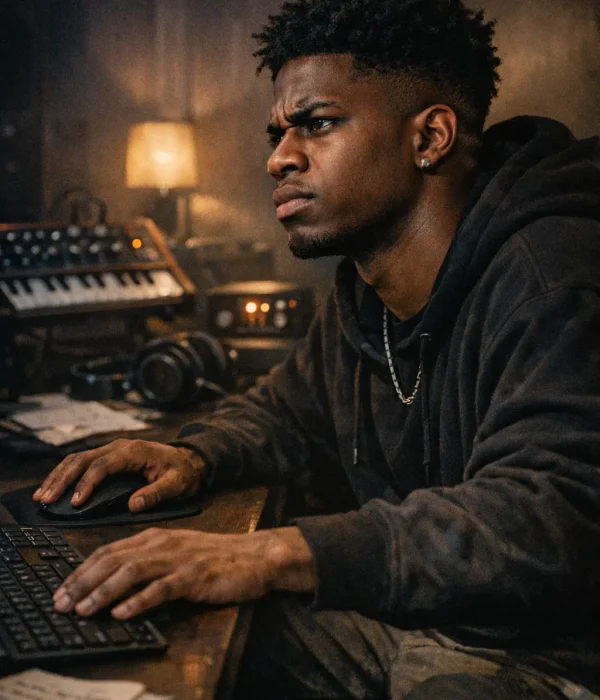
Solutions exist. But they don’t actually help.
Dead End 1: Audio College
You think about getting a degree. But do you really want to drop $50k to $160k just to sit in lectures about copyright law and live PA systems?
Here is what former audio college graduates are saying…
“Many of the courses got you acquainted with a topic but wouldn’t necessarily delve into why it was important or the nuances you’d need to apply the skills in a tasteful or creative way.”
J.O. - NYC, USA · $160,000 spent · Accredited · Career impact: “nearly imperceptible”
“Quite often people who graduated can’t answer the questions about compression, saturation, EQ and reverberation.”
Name withheld - Kiev, Ukraine
“A lot of these schools that only teach recording just pump out as much as they can, not actually caring if students learn anything. They really only care about the money. There needs to be more nurturing.”
J.N. - AZ, USA
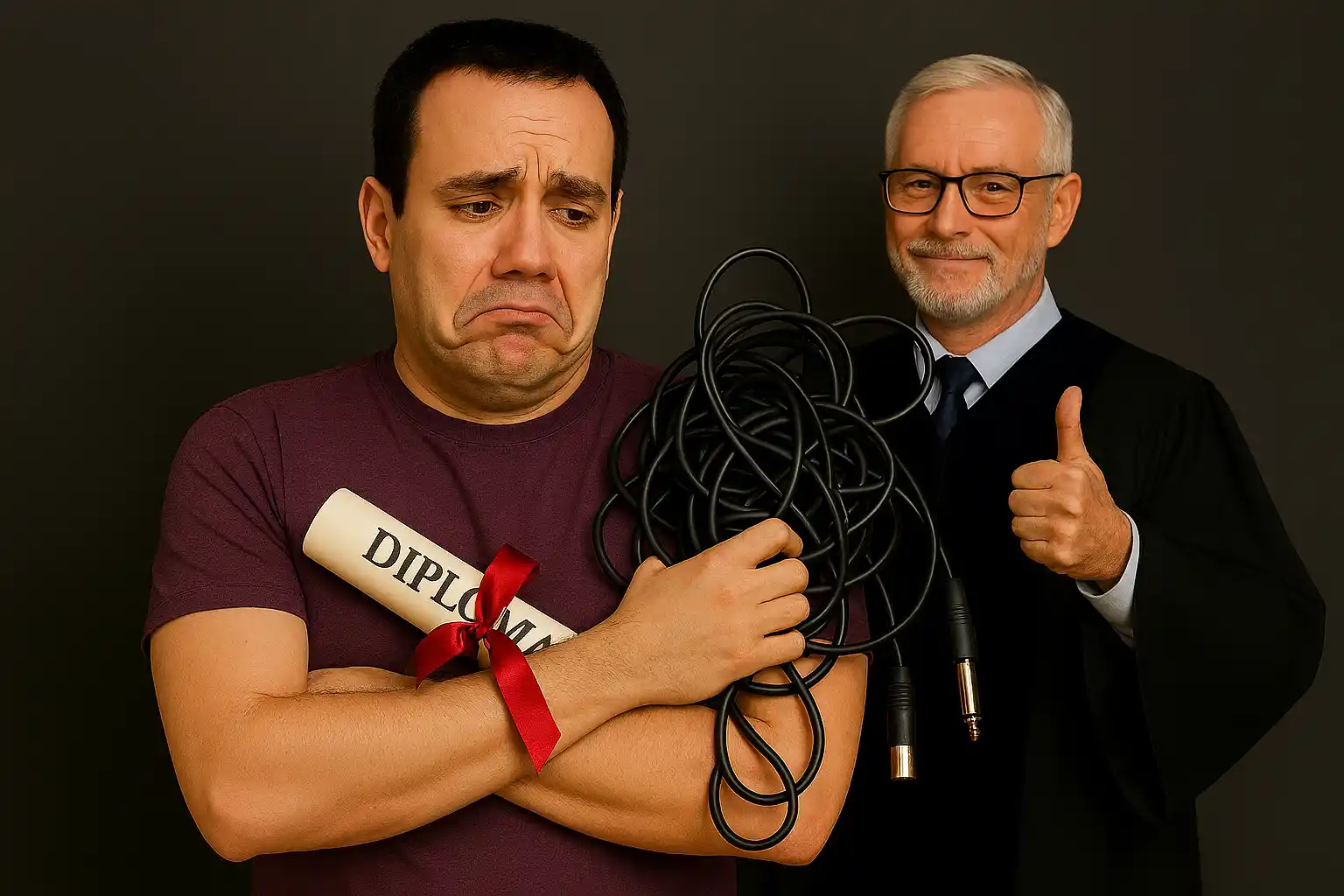

Would you pay thousands to look at a console you can't use?
So many colleges promise use of their large consoles or vintage mic collections.
Realistically, however, most students won’t touch that gear until their final semester.
By then, students are deep in loan debt they will carry for years.
The worst part: Most graduates still don’t have a reliable work flow and left to figure it out for themselves.
Dead End 2: Cheap Courses
You could buy a $97 course instead. It sounds like it solves all the problems you will face. But you get exactly what you pay for.
It is just a collection of random tricks. Apply them to your own bedroom recordings, and they likely fall apart.
In the end, they leave you wanting more, because they lack a complete system.
Dead End 3: Random YouTube Tutorials
Then there is YouTube. It is free, but you pay in time.
You waste hundreds of hours sifting through click-bait and contradictory advice from people less qualified than you.
That new plugin they are promoting will not save your mix either.
The lack of curated lessons means that none give you the full picture. Stop wasting your time.
I was once where you are now.
I’m Daniel. I started with drums and later got involved in audio.
By the time I started playing in multiple bands, got involved in recording projects, the audio bug bit me hard (and I loved it!).
The more I learned, the more I needed to know. I was fascinated with understanding how records actually sounded the way they did.
I went to audio college. I learned plenty. Later, I’d have to unlearn bad habits.
The curriculum was broad by design – copyright law, live sound, sound design – but it barely touched mixing. No system or work flow. Just theory and two years of my life.
I left college disappointed. Through band contacts, I would later assist on large studio sessions at Sing Sing for Grammy-winner David Nicholas (Elton John, INXS, Sting).
That’s where I first saw how professionals actually operated. David worked through a system. He wasn’t tweaking or hoping.
In 2014, I travelled to the south of France to learn more from Jack Joseph Puig – a multiple Grammy-winner and one of the most decorated mixing engineer-producers alive.
That week opened my mind further than I imagined.
I realised where I was going right and where I was going wrong. It was about preparation, a reliable workflow, and a system. A complete, repeatable system – the exact thing college never gave me.
I would spend years building a system for myself, through experimentation, time, higher education, mistakes, happy accidents, volunteer sessions and master classes with exceptional engineers.
But you don’t have to.
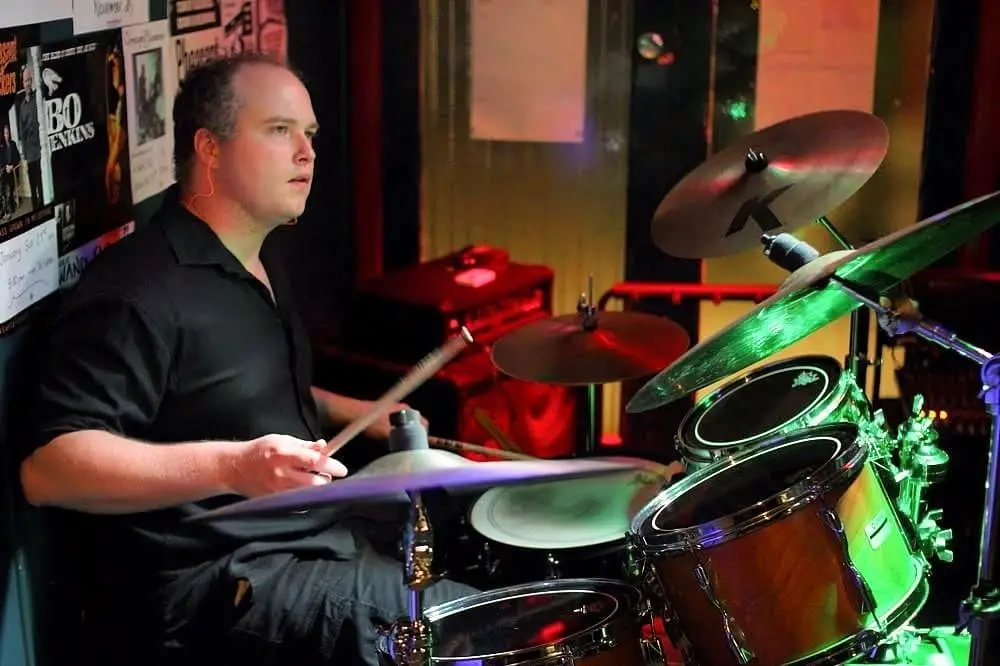
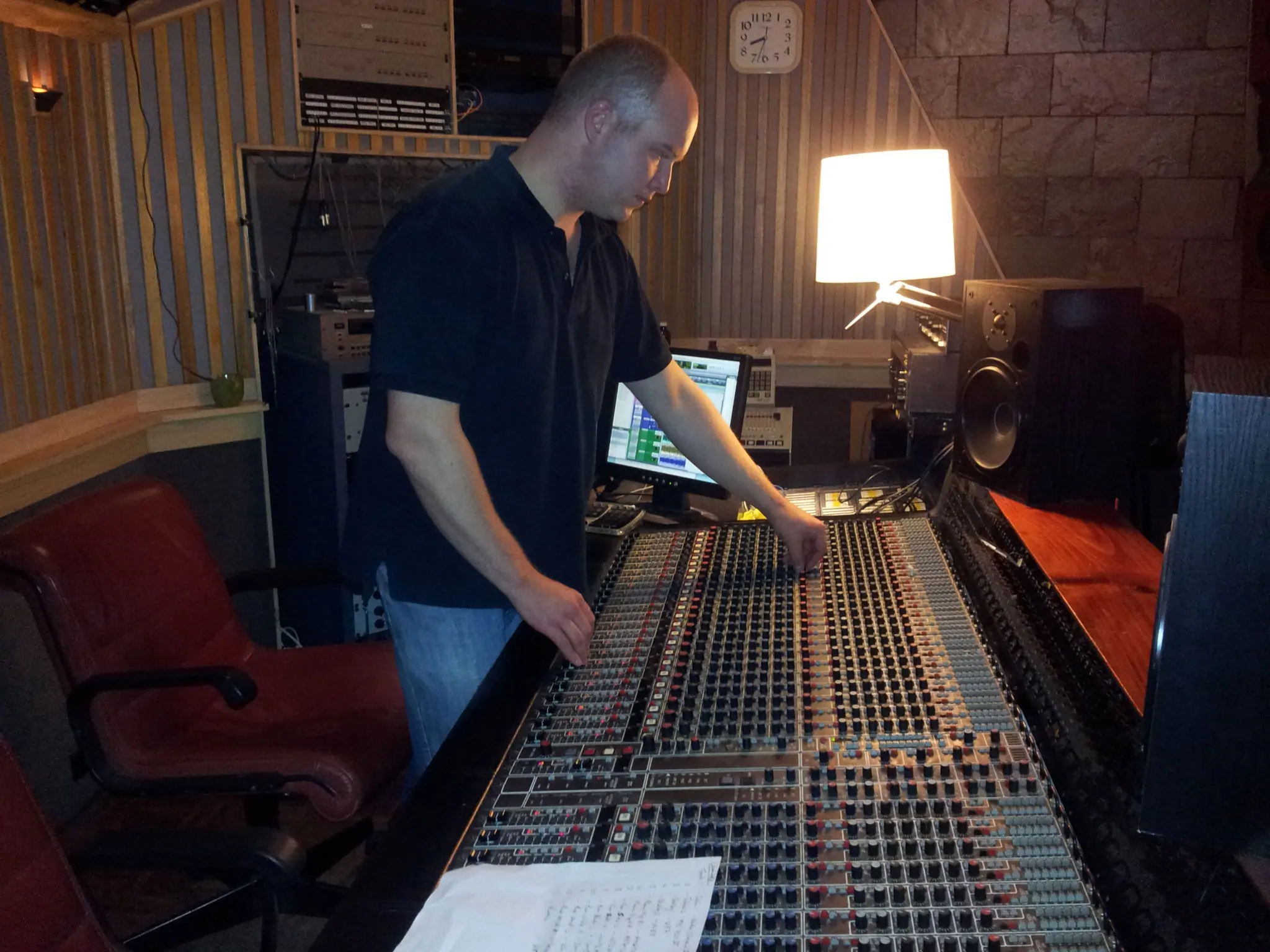
“I created Level Up to give musicians and budding audio engineers the exact roadmap I wish I had. The days of struggling to find premium mixing-focused audio education are over.”
Daniel Jason Booth · MIX ARTISTRY FOUNDER

Inside the Level Up Pro Mixing System
It took me years to build this skill set. I’m giving you the roadmap to build yours in 6 weeks.
Daniel and I always joke that as engineers, we were separated at birth. We share very similar philosophies on audio, even though our approaches are completely different – I’m usually sitting behind a large-format analog console, and he works mostly in the box. But when I’ve mastered his mixes, the results are undeniable.
I’ve watched him pour his life into building this course from the ground up, and knowing him, I knew it would be exhaustive. What makes Daniel a great teacher isn’t just his ear; it’s his logic. He connects the technical work directly to the artistic outcome, and he holds absolutely nothing back.
Having spent ten years teaching audio at the university level, I can honestly say the level of detail and transparency in this course is deep. It’s a complete education in mixing.”
Simon Moro - Top 2% Music Producers World Wide (verified Muso.ai), Co-Owner The Avenue Recording Studio
“Comprehensive – Dan teaches everything you might learn at an audio school and more. He manages to highlight gaps you never knew existed.”
Thomas Kepple - Former Audio College Graduate
Course Curriculum
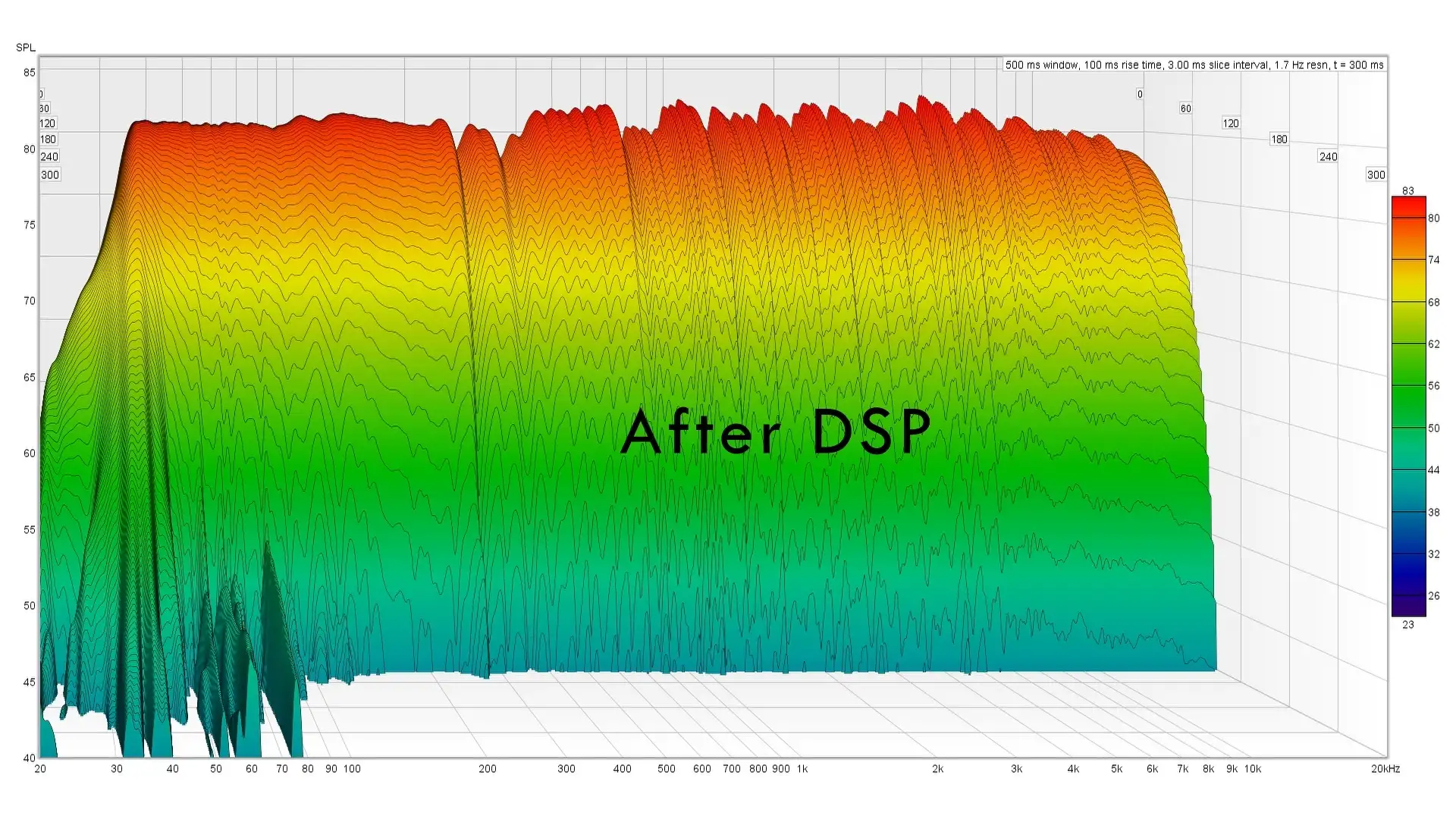
Week 1: Setup, Mindset and the Room
Mix one song in one sitting before you learn anything here, post it, and leave it alone. That recording is the control in the experiment. The rest of the week makes your room honest: assessing an empty space, finding your real listening position, treatment you can afford rather than treatment you can’t, and measurements in Room EQ Wizard so you stop guessing at what you’re hearing. It closes on how sound behaves, from ADSR to why your hearing isn’t as flat as you assume.
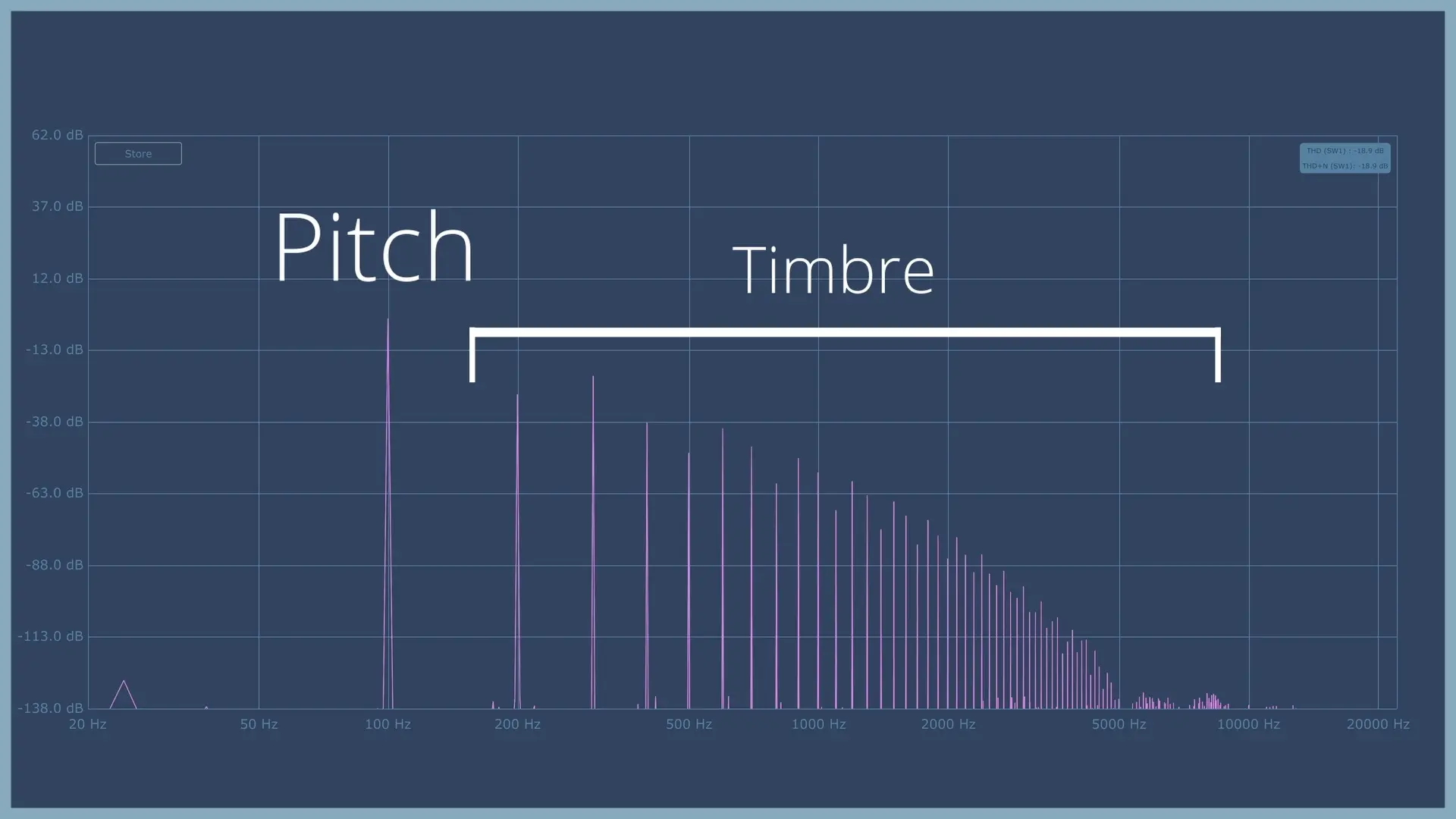
Week 2: The Technical Spine
The vocabulary and the plumbing. Digital audio, signal flow, gain staging, routing, panning and automation, then metering you read instead of glance at. You’ll run a real phase check on a drum kit rather than flipping polarity and hoping it sounds better. Level-matched A/B testing closes the technical half, because until you match level, every decision you make is just picking whatever’s louder. EQ and the first half of compression start here.
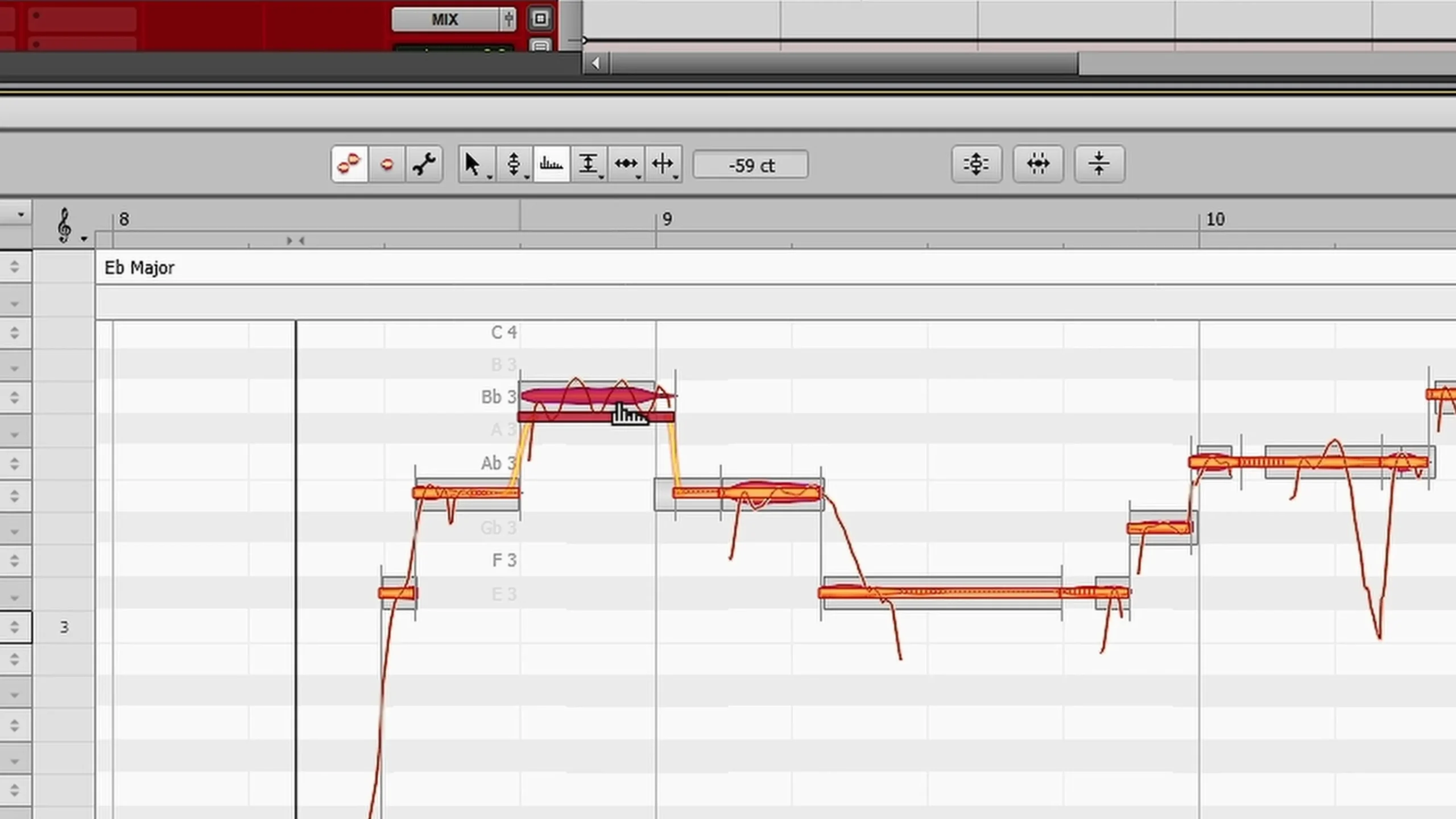
Week 3: The Toolkit
Every processor, and the reason to pick one over another. De-essers, transient designers, expanders and gates, dynamic EQ, multi-band, channel strips. Reverb in its natural, mechanical and digital forms, delay, modulation, harmonic distortion, pitch and formant correction, mid-side and stereo width. Noise reduction in the order it should actually be applied, because sequence matters more here than most people realise. The week ends in Plugin Doctor, looking at what your plugins do to the signal instead of what the manual says they do.
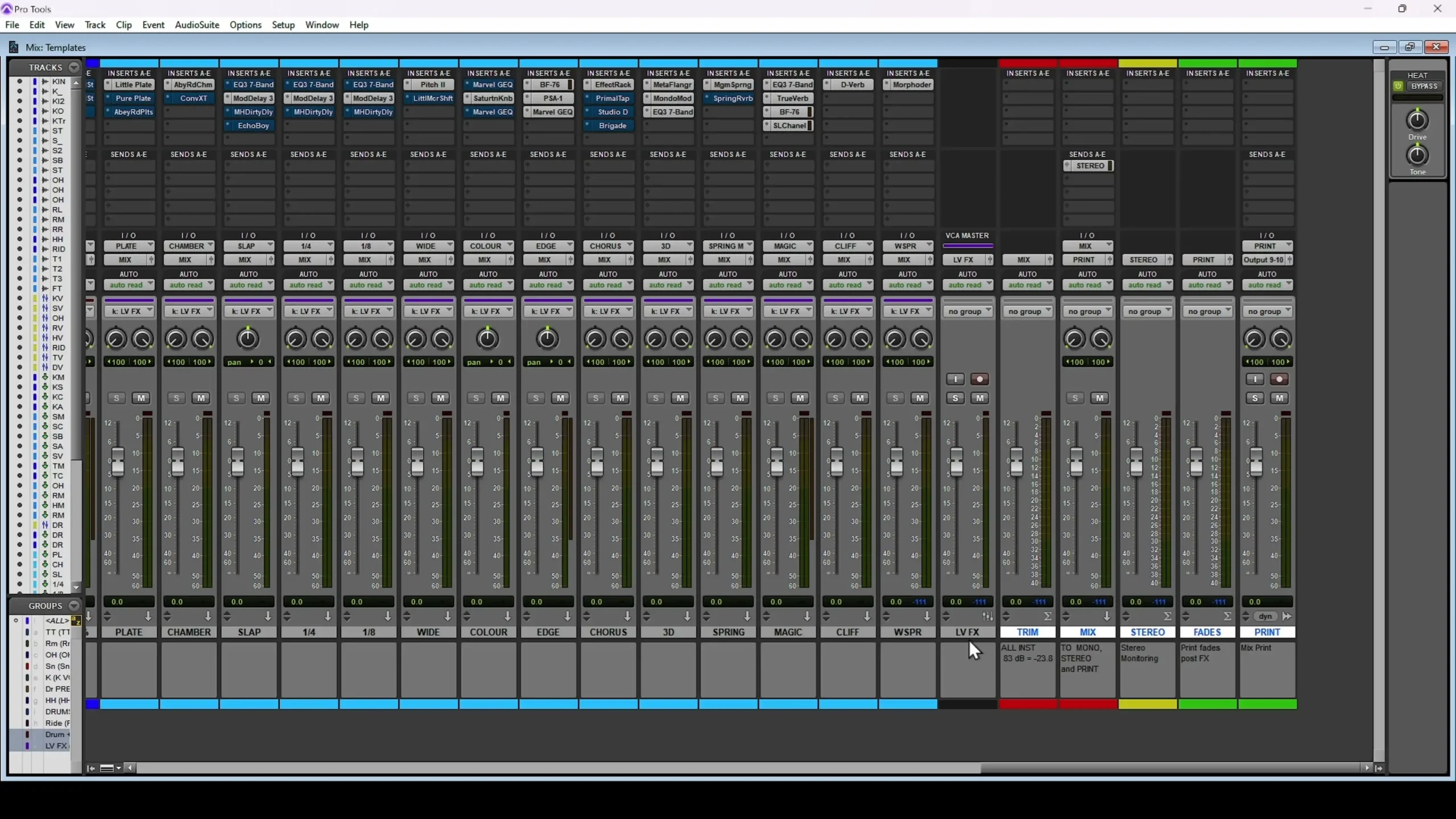
Week 4: Mix Preparation and Templates
The workflow. You take a folder of raw tracks to a session that’s comped, named, colour-coded, phase-checked, gain staged and edited clean, before a single processing decision gets made. Drum phase checks get the better part of an hour to themselves, because a phase problem in the low end undoes every EQ move you make afterwards. Then you build your template across five lessons: mix bus, print and fade routing, shared vocal and instrument effects, drum routing that holds up across genres. Yours, not a copy of mine.
Week 5: Mixing Decisions and Judgement
Where technique turns into judgement. Vocal tuning and a fail-safe editing system first, then working objectively despite ear fatigue, using reference tracks properly, and the PRINT track method for keeping your best idea without losing the right to change your mind. Seventeen lessons on mixing concepts: spectral balance, low end management, the critical mid-range, height, width and depth, automation that moves a song rather than decorates it. It finishes with the parts nobody puts in a curriculum. Taking a revision request without hearing an insult. Archiving properly. Working out why a mix isn’t working when you’ve done everything right and it still isn’t.
Week 6: Three Full Mixes
Three complete mixes, start to finish: country, hard rock, indie pop. Twenty-six and a half hours, unedited, nothing cut out to make me look faster than I am. You get the same files, so mix each song yourself and post it for feedback before you watch me do it. Mastering gets three lessons on the handoff: what it does that mixing doesn’t, how to prepare files for it, and how to find an engineer worth paying. Then you re-mix the song you recorded in Week 1 and put the two side by side. That comparison is the actual final exam.
What You Get Inside the Level Up Mixing System
✓ You learn the why behind every move, so the skills stick.
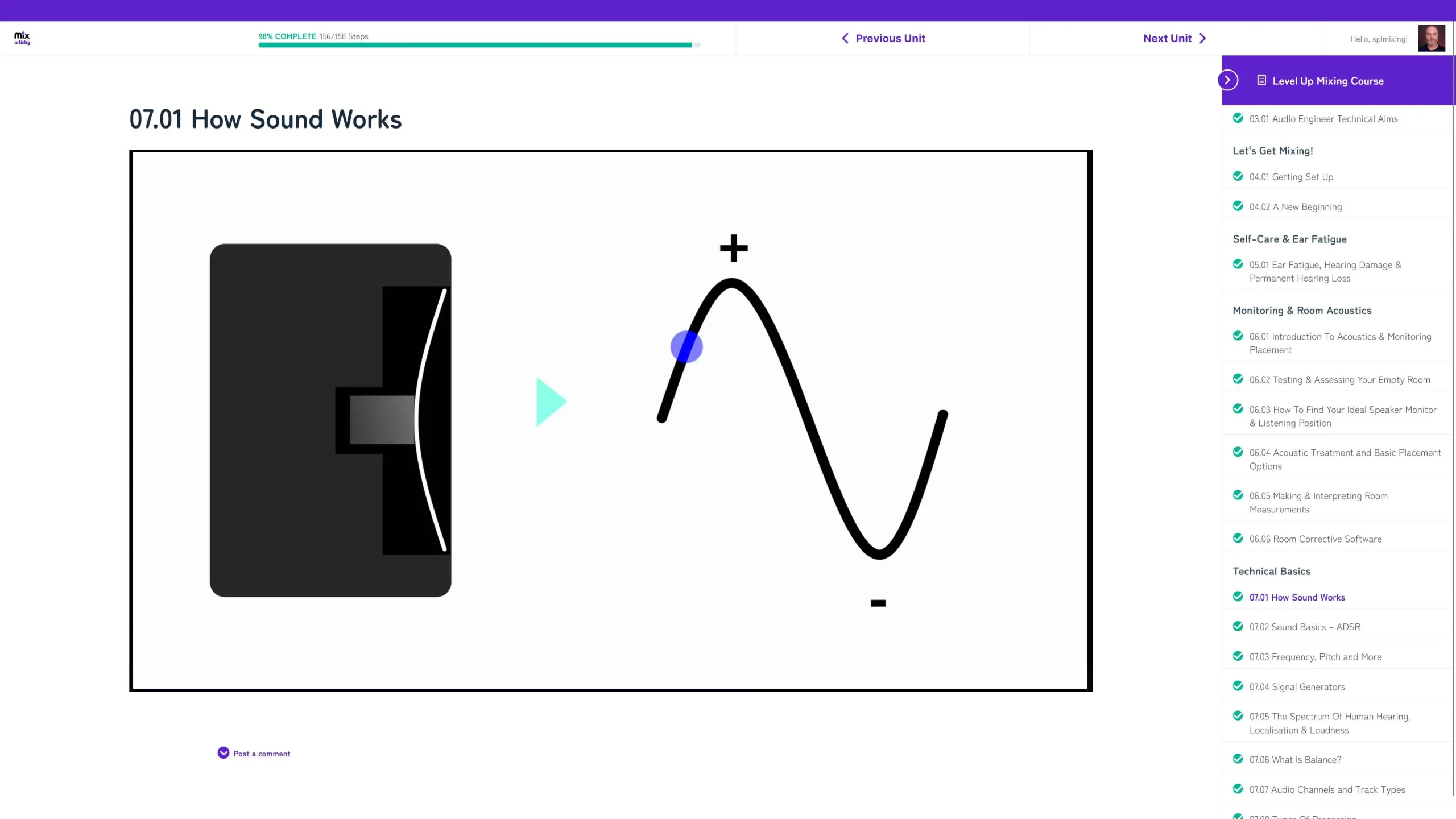
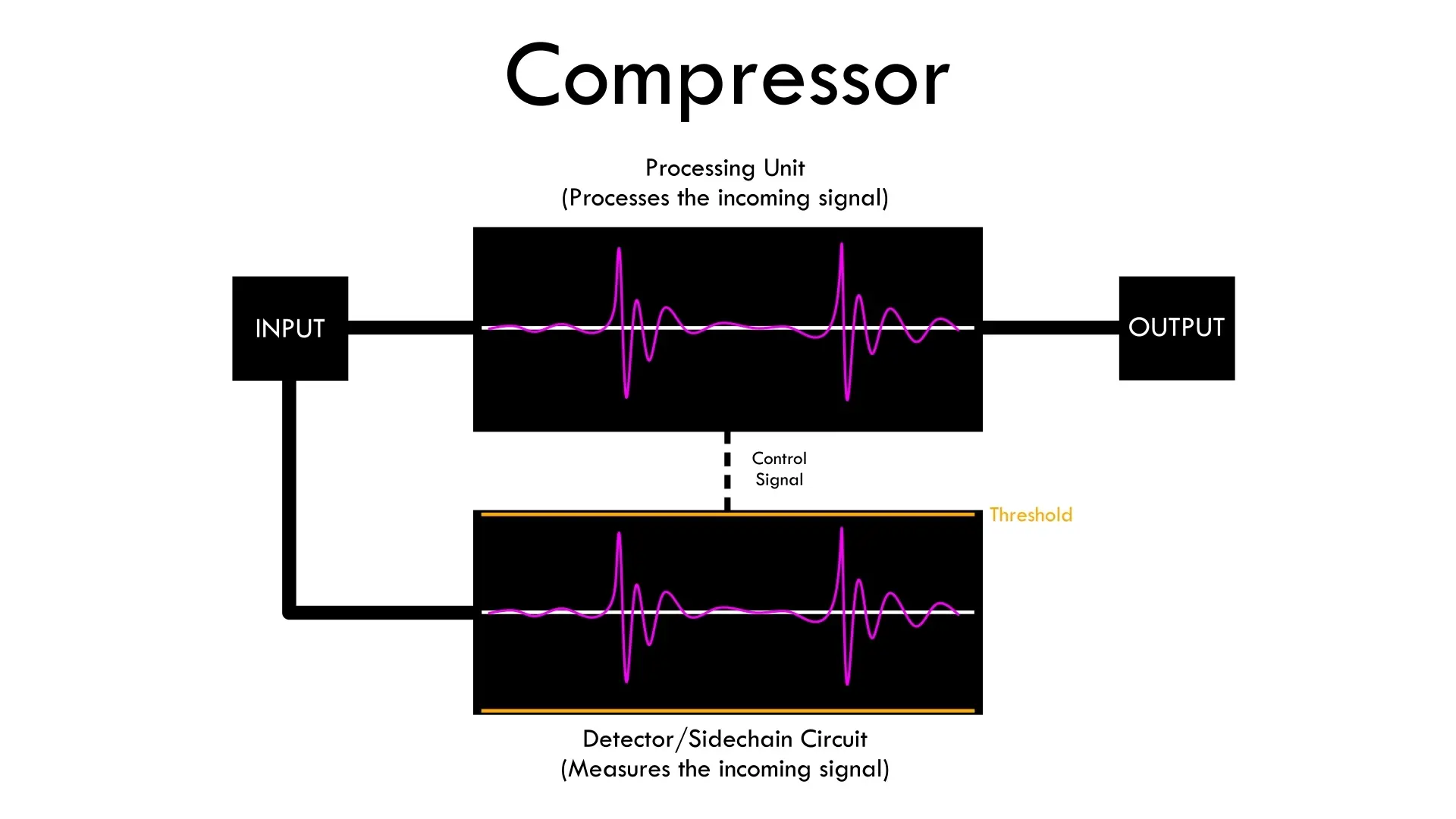
195 videos (47+ hours) across 162 units, built so each technique stands on the one before it – a repeatable system you run on any song, any genre, any DAW. Not a pile of tricks.
✓ You mix real records.
Three full multitrack sessions – a bedroom-recorded country song, a home-produced indie pop track, and a professional studio rock session. Download the same audio tracks and mix alongside me.

✓ You prep every song right, avoid mixing headaches later.
The Mix Prep Checklist: 48 checks across 12 phases – importing, gain staging, drum phase checks, routing, templates. Every item tells you the importance of every check. Use on every mix.

✓ You get access to an amazing & expanding toolkit.
Browser-based audio tools, including:
- Speaker Placement – find your ideal speaker positions
- Vocal Leveller – transparently level a vocal in seconds
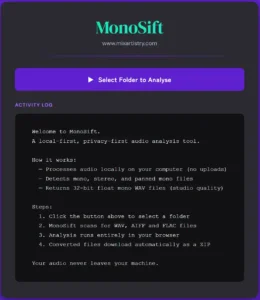
- Mono Sift – extract mono sources from fake stereo tracks
- Delay & Modulation Calculator – for locking effects
- Note Frequencies – musical notes vs. frequencies
- Turn Down – check your mix for streaming loudness
- Plus more tools in development to make mixing easier
✓ You get drums that hit – every time.
AttackSift: my proprietary tool built for one outcome – punchy drums, every time.

✓ You mix off my actual template.
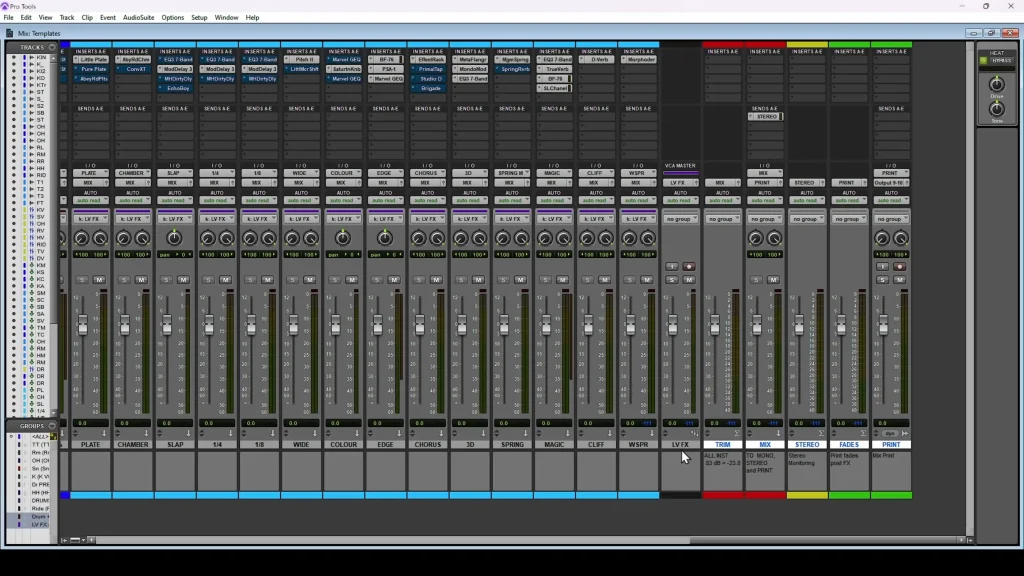
Get full access to The Mix Artistry Routing Architecture – the exact routing, sub-mixing, and mix-bus setup I use for real client work. I explain it in detail so you can build it how you like in any DAW and dramatically speed up your workflow.
✓ You make honest calls, not biased ones.
The Passive Switcher Box – a simple zero-latency A/B box you build yourself (full schematic and parts list). Compare mixes objectively and learn faster from your past mistakes.

✓ You skip years of reading the wrong books.
The Mix Artistry Library – the short list of 13 books that changed how I work. Plus a curated list of free resources to keep learning.


✓ You learn the thinking that turns “good” into “compelling”.
Master these Elite Mixing Concepts – the high-level frameworks and balancing strategies I learned from top-tier engineers – so you can finally take your tracks from “almost there” to undeniable, release-ready records.

✓ You improve every week with feedback on your mixes.
Direct critiques and Q&A for 10 weeks, plus a community of mixers running the same system.

✓ You finish with proof.
Complete the course and the tasks and earn your Certificate of Completion.

“I’m really enjoying going through it!”
– Riley Whitcher, Musician
My “No Mixer Left Behind” Guarantee
I stand behind this system completely.
If you are willing to put in the hours, I am willing to guarantee the result.
Go through the 6 weeks, apply the principles, and put your music through the checklists. If you complete the entire system and your final mixes still aren’t translating to the car or hitting the standard you want – I will personally work with you, 1-on-1, until they do.
We’ll look at your sessions, look at your workflow, and fix the blind spots together. I know this system works because it’s built on proven engineering principles, not guessing.
If you’re ready to do the work, I’ve got your back. Fair?
This isn’t a no-questions refund – it’s a real commitment: do the work, and I’ll make sure you get results.
Value Comparison
Traditional Audio College
THE RESULT
80% fluff (history, music law, live sound)
CERTAINTY
Low – most grads still can’t mix confidently
TIME WASTED
2 to 4 years
YOUR SACRIFICE
$35,000–$85,000+ in student debt
The YouTube Rabbit Hole
THE RESULT
A collection of random, disjointed tricks
CERTAINTY
Near zero – guessing based on influencers
TIME WASTED
Years of trial and error
YOUR SACRIFICE
Hundreds of hours hunting the algorithm
Level Up Pro Mixing System
THE RESULT
A repeatable, radio-ready workflow
CERTAINTY
High – direct engineering feedback & 1-on-1 guarantee
TIME WASTED
6 weeks!
YOUR SACRIFICE
One-off payment of $2,997 (zero fluff)
LEVEL UP PRO MIXING SYSTEM
$2,997
…or 2 × $1,750 on the payment plan · 12 months access
For comparison – a 4-year audio engineering degree: $35,000–$85,000.
One session with a professional mix engineer: $200–$500/hr.
This is for you if:
✓ You’re considering audio college but only want to learn studio mixing.
✓ You already went to audio college but didn’t get enough answers.
✓ You’ve watched hours of YouTube tutorials and still get poor results.
✓ You feel embarrassed showing anyone projects you’ve mixed.
✓ You can’t close that last 5% gap to make your mixes sound pro.
Keep your money if:
✕ You think a magic-bullet preset pack or a new plugin will replace doing the actual work.
✕ You want to blindly copy/paste EQ settings without learning the physics of why they work.
✕ You aren’t willing to open your DAW, run the checklists, and actually put in the reps.
✕ You’re looking for a cheap “hack” instead of a reliable, repeatable engineering system.
Now, imagine walking out to your car…

You plug in your phone. You hit play. The low end is tight and punchy. The vocals sit perfectly on top of the mix. It sounds massive, clear, and competitive.
You don’t need to tweak anything.
You just sit back and enjoy your own music with your mates. No more feeling like an impostor – you know exactly what you’re doing now. That is what a reliable system gives you: confidence and peace of mind.
You can take one pathway today:
Path 1: Do nothing
Keep doing what you’ve been doing. Spend another year watching contradictory YouTube videos, collecting plugins you don’t need, and fighting your room – guessing, and feeling that frustration every time you play your music in the car.
Path 2: Take the shortcut
Master the art and science of sound. Install a professional workflow, routing and mix-bus system. Use proprietary tools to cut your prep time in half. Get direct feedback from me, so you improve every week – all backed by my “No Mixer Left Behind” guarantee.
One path keeps you stuck. The other gets you radio-ready mixes for the rest of your life. Choose wisely.
“It was super easy to understand! I would recommend it 10,000%!”
– Erika Inserra, Independent Singer/Songwriter
FAQ
Absolutely. This is not a “click where I click” software tutorial. This course teaches the core physics of sound, signal flow, and psychoacoustic principles. The Mix Artistry Routing Architecture is explained in full structural detail so you can build it in Logic, Cubase, Studio One, Ableton, or whichever DAW you use.
Yes. Week 2 is entirely dedicated to Acoustics & Monitoring. I show you how to analyse your space, find the absolute best speaker placement, and make smart, affordable acoustic corrections. You don’t need a million-dollar studio; you just need to learn how to trust the room you have.
We build the baseline from the ground up. Week 1 starts with engineering aims, and Week 3 covers the fundamental physics of sound. Because we don’t skip the basics, a beginner will build a flawless foundation, while an intermediate mixer will finally unlearn the bad habits holding them back.
Simple. If you finish the 6 weeks, apply the templates, follow the checklists, and your mixes still aren’t translating to the car or hitting commercial standards, I will personally work with you 1-on-1. We will jump into your sessions, find the blind spots, and fix them together until you get the exact sound you paid for.
